A hydraulic cylinder rarely fails overnight. It usually warns you first: a damp rod, a slower stroke, a load that suddenly feels heavy. Ignore those signals and a small repair turns into unplanned downtime. At Overland Engineering and Logistics LLC (OELUS), an industrial manufacturing company serving OEMs and fleet operators, we see this pattern constantly. Here are seven signs your hydraulic cylinder needs replacement, and what to do next.
Safety first: before any inspection, secure the equipment, lock out power, support raised loads mechanically and release hydraulic pressure. Also remember that not every symptom means a bad cylinder. A worn pump, sticky valve, damaged hose or contaminated fluid can cause similar problems, so check the system before you buy.
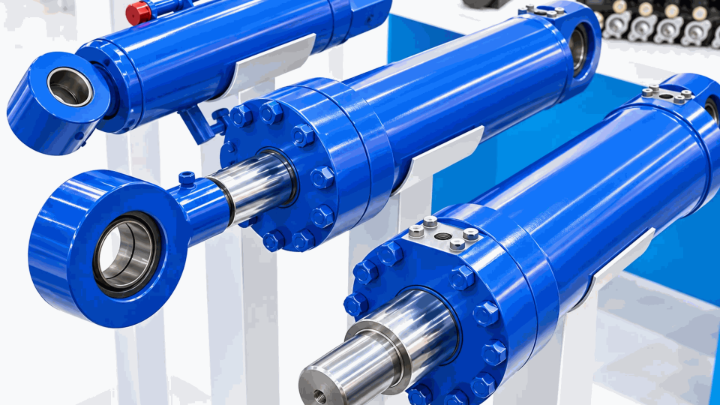
1. Hydraulic Fluid Leakage
Oil around the rod or gland is the classic warning. Worn, hardened or nicked seals let fluid escape, often because of age, heat or a scored rod. Wipe the area clean and watch it for a day. A light weep may only need a seal kit, but steady dripping, or a leak that returns quickly, usually means replacement.
2. Bent or Damaged Piston Rod
Look along the rod for bends, scratches or rust pitting. Even a slight bend causes side loading and chews through new seals, while pitting scratches them on every stroke. Check with a straightedge. Minor marks can be polished; a bent or deeply pitted rod generally calls for a replacement cylinder.
3. Frequent Seal Failures
If seals keep failing, the seals are rarely the real problem. Contamination, excessive pressure, misalignment and rod damage are the usual causes. Fitting another kit without fixing the cause just repeats the failure. Check fluid cleanliness, relief valve settings and rod condition. If the bore or rod is damaged, replacing the cylinder is cheaper.
4. Loss of Lifting Power
When a cylinder struggles with its rated load or drifts down under it, internal leakage past the piston is a likely cause. Low system pressure or a weak pump can imitate it, so test pressure first. If pressure is normal but force is still lost, worn internals mean replacement.
5. Slow or Jerky Cylinder Movement
Hesitation, shuddering or uneven extension points to air in the fluid, contamination, binding or internal wear. Bleed the system, check fluid and filters, and inspect mounts for misalignment. If movement stays rough afterwards, scoring inside the barrel is probable, and the cylinder needs replacing.
6. Visible Corrosion and Internal Damage
Rust, pitting, scoring and bore damage shorten cylinder life quickly. Once the surface is breached, contamination spreads and seals wear faster. Surface rust on the barrel can be treated, but damaged chrome or a scored bore cannot be repaired economically. That is a clear replacement signal.
7. Frequent Repairs and Equipment Downtime
If the same cylinder keeps returning to the workshop, add up repair invoices, labor and lost hours. Past a certain point, a new cylinder costs less than another repair, and it brings fresh seals and a sound rod. A reliable cylinder matters most when a machine only earns money while it runs.
What Causes Hydraulic Cylinder Failure?
Most failures trace back to seal wear from age and heat, contamination from dirty fluid, corrosion from moisture, and side loading from poor alignment or worn mounts. Fixing the root cause matters as much as the new cylinder.
Can You Repair a Hydraulic Cylinder Instead of Replacing It?
Repair makes sense when damage is limited to seals, wipers or a lightly marked rod, and the bore is sound. Replace when the rod is bent, the bore is scored, the tube is corroded or failures keep repeating. Compare the repair quote and downtime against a new unit.
What Information Do You Need Before Ordering a Replacement?
For replacement hydraulic cylinders, gather the OEM part number, equipment model, nameplate photos, bore, rod diameter, stroke, retracted length, mounting style and operating pressure. For telescopic units, add the number of stages. Telescopic hydraulic cylinder price depends on those same specifications, so complete details mean faster, more accurate quotes.
Why Choose OELUS for Hydraulic Cylinder Solutions?
Quality, engineering and compatibility separate a cylinder that lasts from one that returns in six months. OELUS builds cylinders for real working conditions:
- Telescopic Hydraulic Cylinders for dump trucks, trailers and refuse vehicles.
- Welded Hydraulic Cylinders for construction and mobile equipment.
- Tie-Rod Hydraulic Cylinders for industrial presses and stationary machinery.
Still comparing designs? Read our guide on how to choose the right hydraulic cylinder.
Frequently Asked Questions
1.How do I know if my hydraulic cylinder needs replacement?
Persistent leaks, a bent rod, lost power or repeated seal failures.
2.What are the most common causes of failure?
Seal wear, contamination, corrosion and side loading.
3.Is it better to repair or replace?
Repair minor seal issues; replace when metal parts are damaged.
4.How long does a hydraulic cylinder last?
It varies with duty, maintenance and fluid cleanliness.
5.Can a leaking cylinder be repaired?
Yes, if only the seals are worn.
6.How do I find the correct replacement?
Start with the OEM number and nameplate details.
7.What measurements are required?
Bore, rod diameter, stroke, retracted length and mounting style.
Need a Replacement Cylinder?
Send us your specifications and photos, and the OELUS team will prepare a quote. Whether you need a single cylinder or a repeat OEM supply, we will help you match the right specification the first time. Request a Replacement Cylinder Quote today.